A Medical Animation Guide for Medical Affairs, Biotech and MedComms Professionals
Medical animation is one of the most powerful tools for bringing complex science to life — but with so many visual styles available, choosing the right one can feel overwhelming.
At Fusion Medical Animation, we’ve developed a Style Guide to help you make confident, informed choices for your next project. Whether you’re communicating a mechanism of action (MOA), disease progression, or a medical device innovation, this guide shows how to align your story, audience, and visual style for maximum impact.
When should I use this guide?
The Fusion Medical Animation Style Guide is designed for teams who need to:
- Develop a visual communication strategy for a therapy area or brand launch
- Align internal stakeholders early (medical, regulatory, commercial)
- Create efficient project briefs for medcomms or animation partners
- Understand how to balance scientific accuracy with creative storytelling
If you’re in medical affairs, biotech marketing, or a medcomms agency, this guide helps you cut through complexity and get everyone on the same page before production begins.
How to use the Fusion Animation Style Guide
The guide explores five animation styles, each suited to different communication needs:
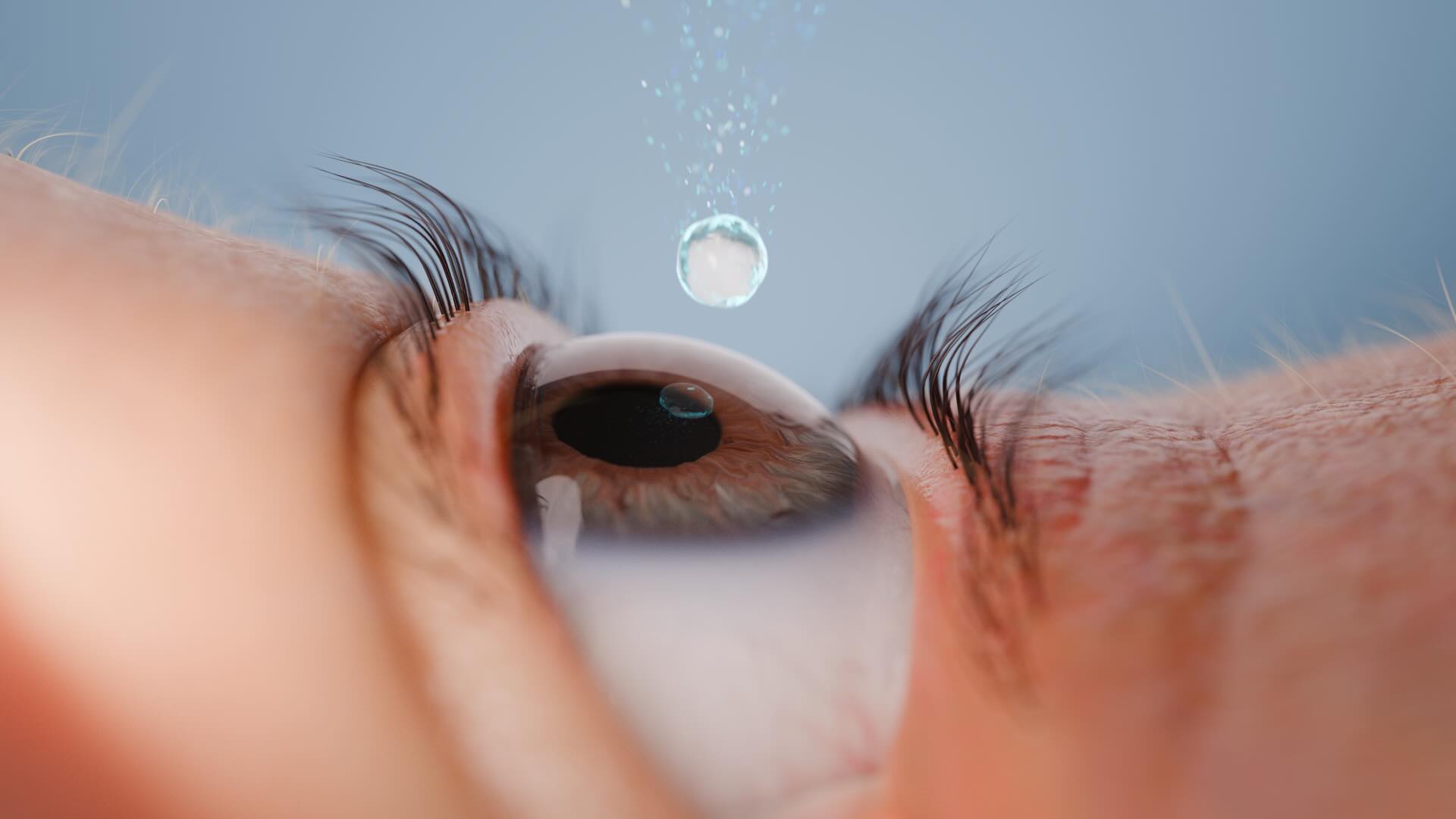
1. Clinical Photorealism
Perfect for surgical procedure animations, medical device demos, and regulatory submissions where anatomical accuracy is key.
- Realistic textures, materials, and lighting
- Ideal for professional medical education and patient consent materials
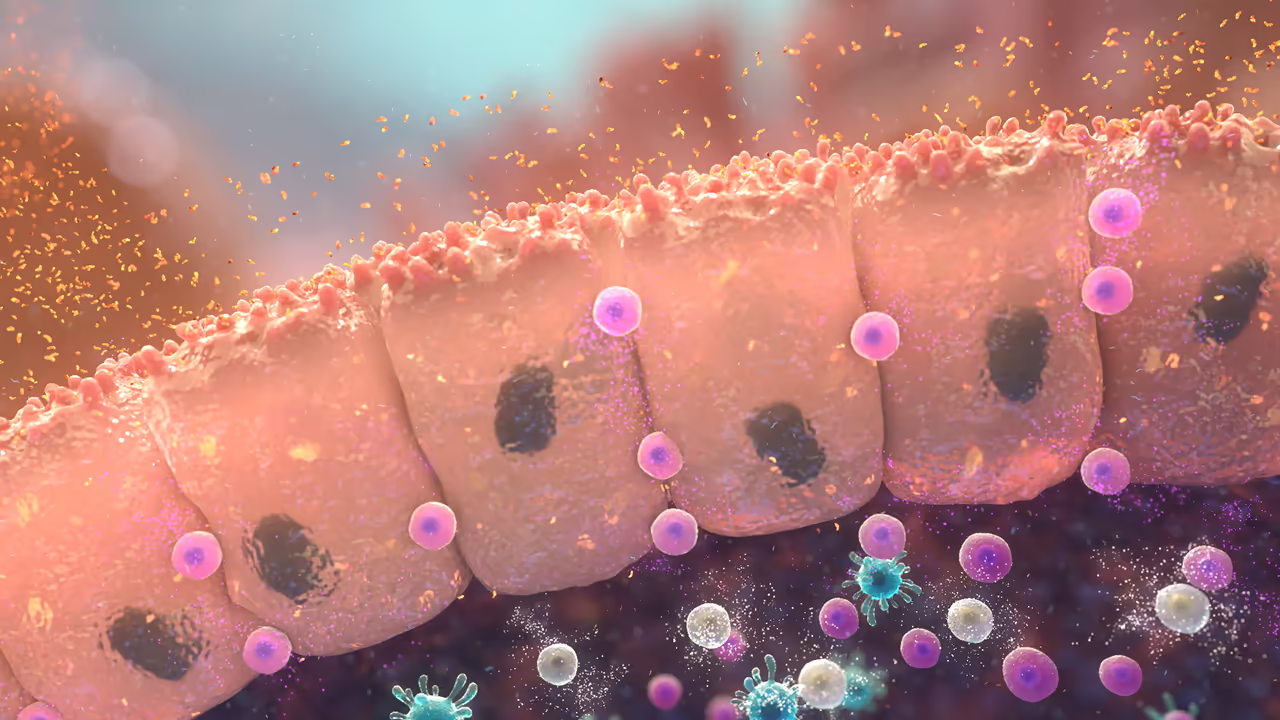
2. Cinematic Molecular Journey
Dramatic, film-style storytelling for mechanisms of action, disease pathways, and drug discovery.
- Dynamic camera moves and cinematic lighting
- Ideal for congress presentations, brand storytelling, and marketing films
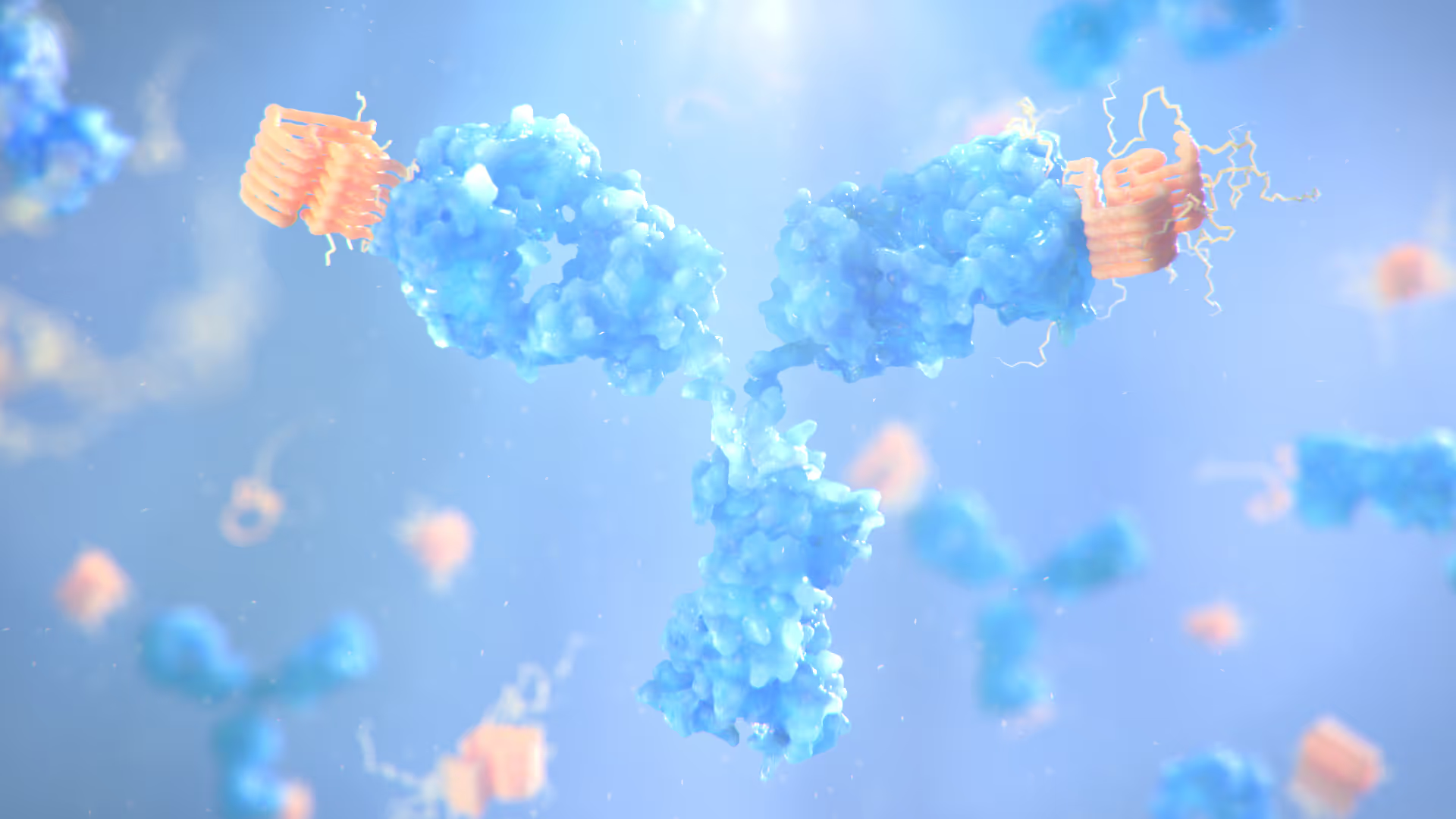
3. Stylized Scientific Illustration
A simplified, educational look that makes science approachable and clear.
- Minimal textures, bold colors, clean typography
- Great for e-learning, patient education, and digital campaigns
4. 2D Motion Graphics
Efficient and highly versatile for data visualization, corporate comms, and service overviews.
- Fast to produce and easy to brand
- Works well for conference booth displays or digital onboarding
5. Immersive or Interactive
Next-generation storytelling using VR/AR and interactive environments.
- Ideal for training, demonstrations, and remote collaboration
- Enables audiences to explore anatomy or devices in real time
Each section explains when to use the style and why it works, helping you connect your project’s objectives to the right visual approach.
How it can help you create better briefs
A well-crafted animation brief can make or break your project. The Style Guide gives you a common visual language to use with your animation partner — ensuring your scientific intent and creative vision stay aligned from the start.
When you define your:
- Objective (educate, engage, inspire)
- Audience (clinicians, patients, internal teams)
- Tone and realism level
…you’ll reduce rounds of feedback, shorten production time, and keep your project within budget — all while achieving stronger storytelling impact.
In short: clearer briefs mean better animations, faster delivery, and smarter spending.
Want to learn more? Why not try our Medical Animation Quiz to help determine the right length and animation style for your project.
Start your next project with confidence
Whether you’re planning your next mechanism of action video, developing disease awareness content, or designing a VR training experience, Fusion’s Style Guide helps you choose the right approach to tell your scientific story beautifully and effectively.
If you have any questions get in touch or reach out to Fiona Day directly at
📧 fiona.day@fusionanimation.co.uk | ☎️ +44 (0)207 127 6935