How we handle the complexity of the brain
Why is it important to use a specialist team to bring your neurology to life? In this blog post we give a few examples of some of the common challenges and how we solve them.
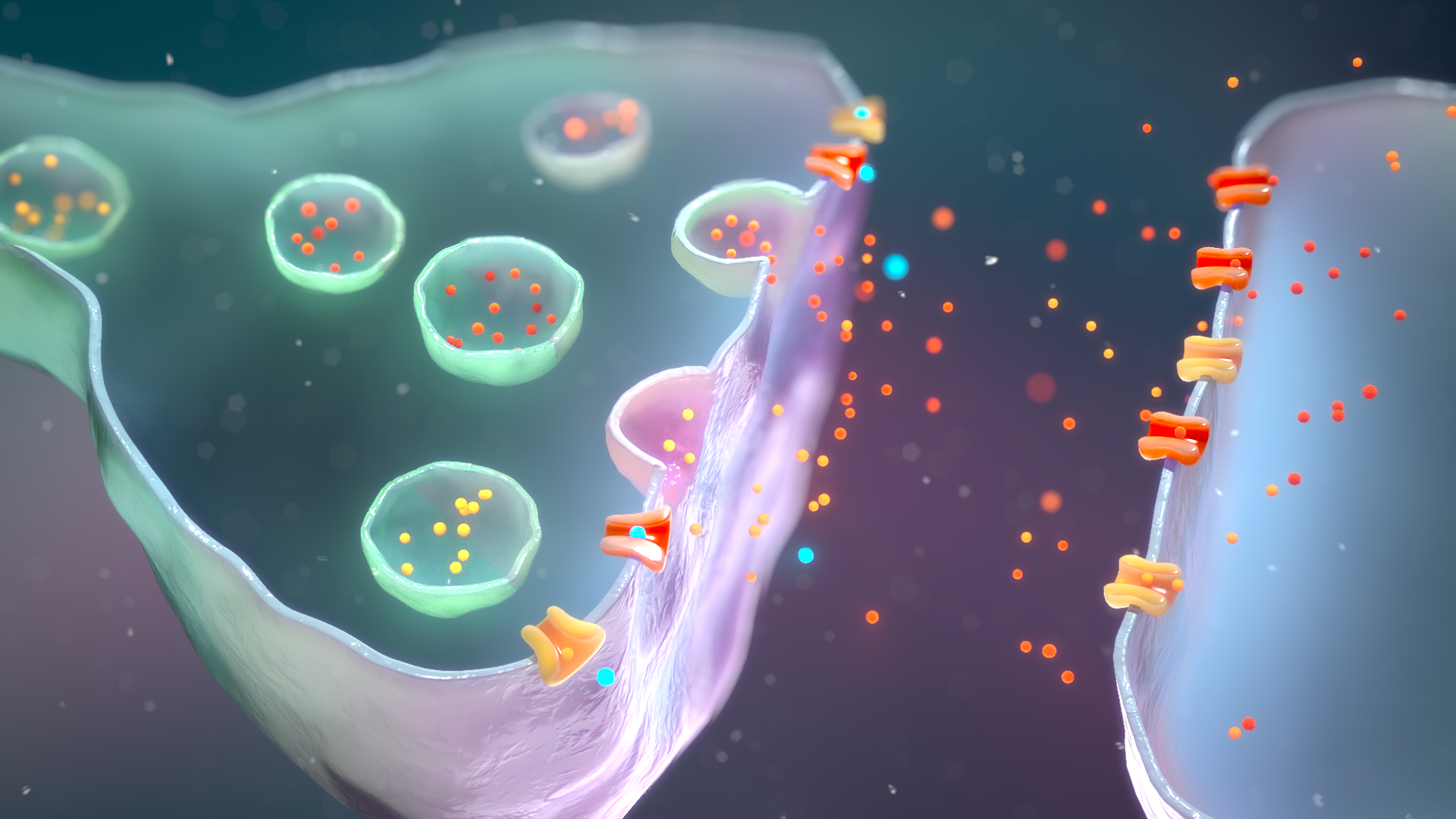
- Location, location, location. Often, the mechanism we need to describe happens everywhere at once - from blood vessels to the synaptic cleft - involving multiple neuropeptides and overlapping effects.
- Fusion solution: Our job is to pull apart these tangled threads to tell a story that is memorable, without sacrificing accuracy.
- The speed of thought. Neurons can fire several hundred times per second. If we showed that in real-time, you wouldn’t see a thing.
- Fusion solution: We balance creative licence with reality, slowing down the "movie magic" just enough so the viewer can follow the action, while maintaining the correct nuance for the specific neuron type.
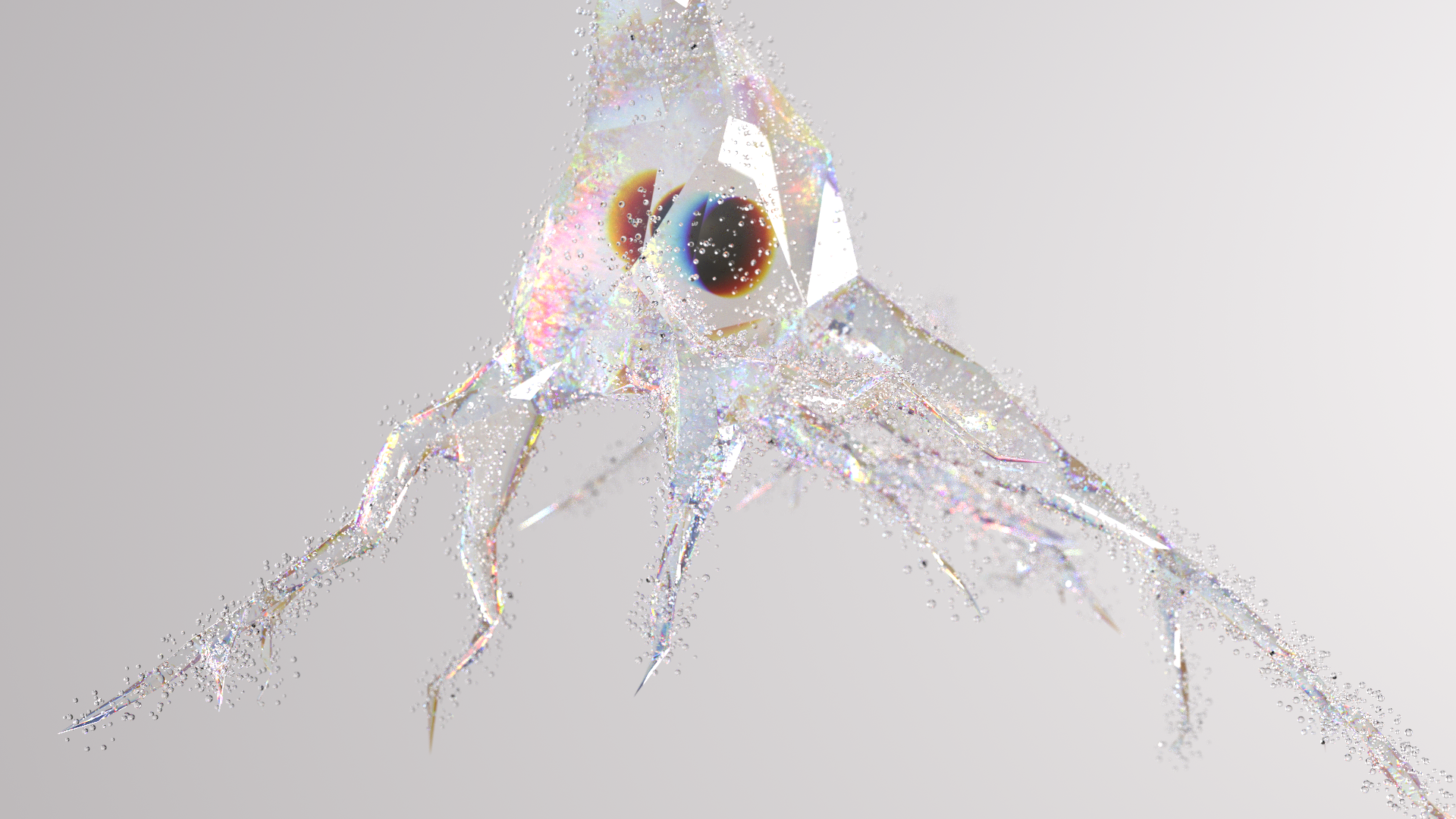
- Morphology. The brain is the most complex biological structure and incredibly densely packed.
- Fusion solution: We use our expertise to declutter. For example, we might show the shape of a specific neuron type but deliberately omit the thousands of distracting dendrites surrounding it to keep the focus where it belongs.
- Visualising an absence?. In neurology, the goal is often to stop something from happening (like lack of firing). The challenge is: how do you draw a negative?
- Fusion solution: We rely on careful narrative structuring to establish what the "bad" alternative looks like first, ensuring the viewer truly understands the relief when the treatment works.
Are you facing a challenge that could be solved by beautiful visuals or animation? Get in touch and see if we can help.

.avif)


