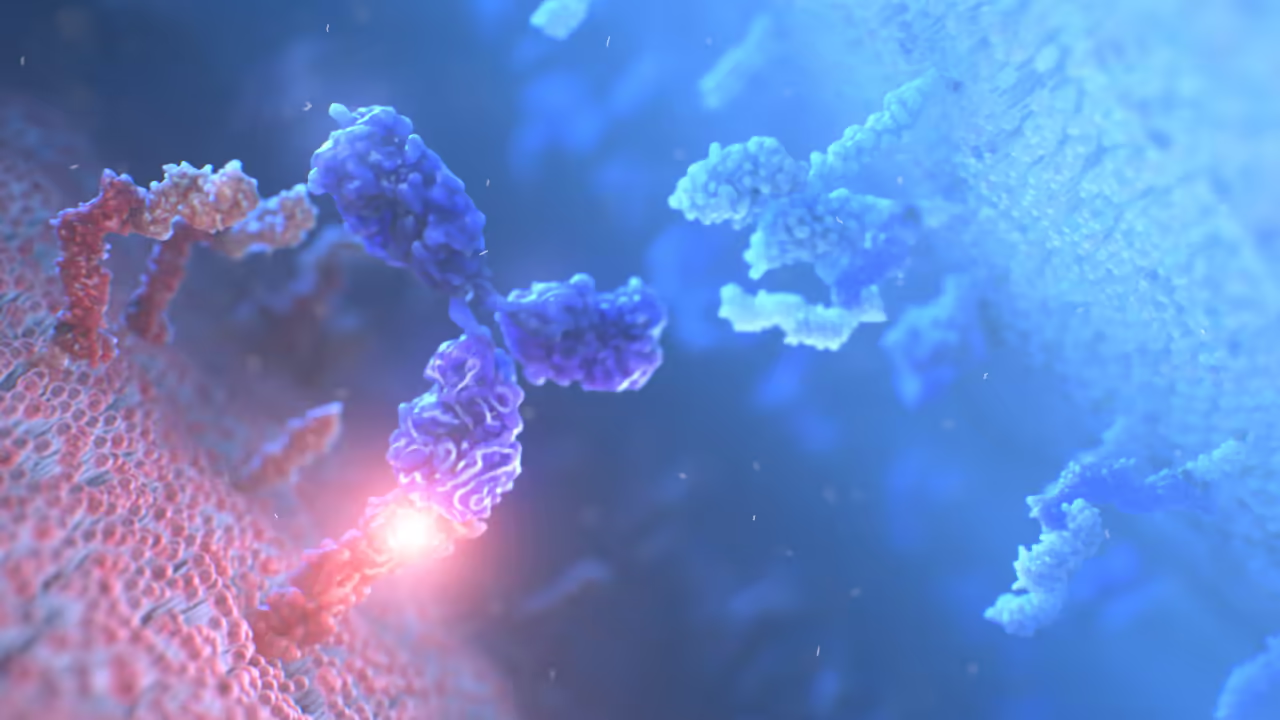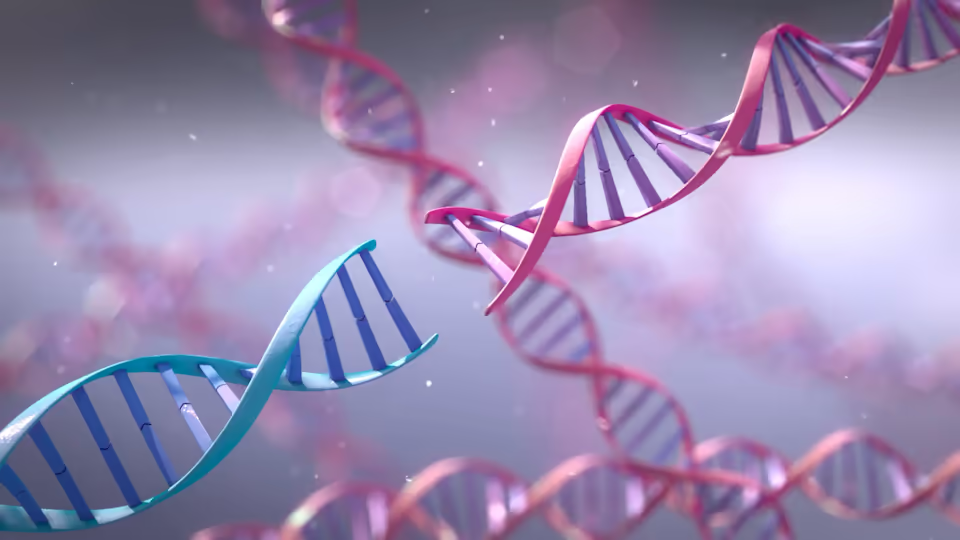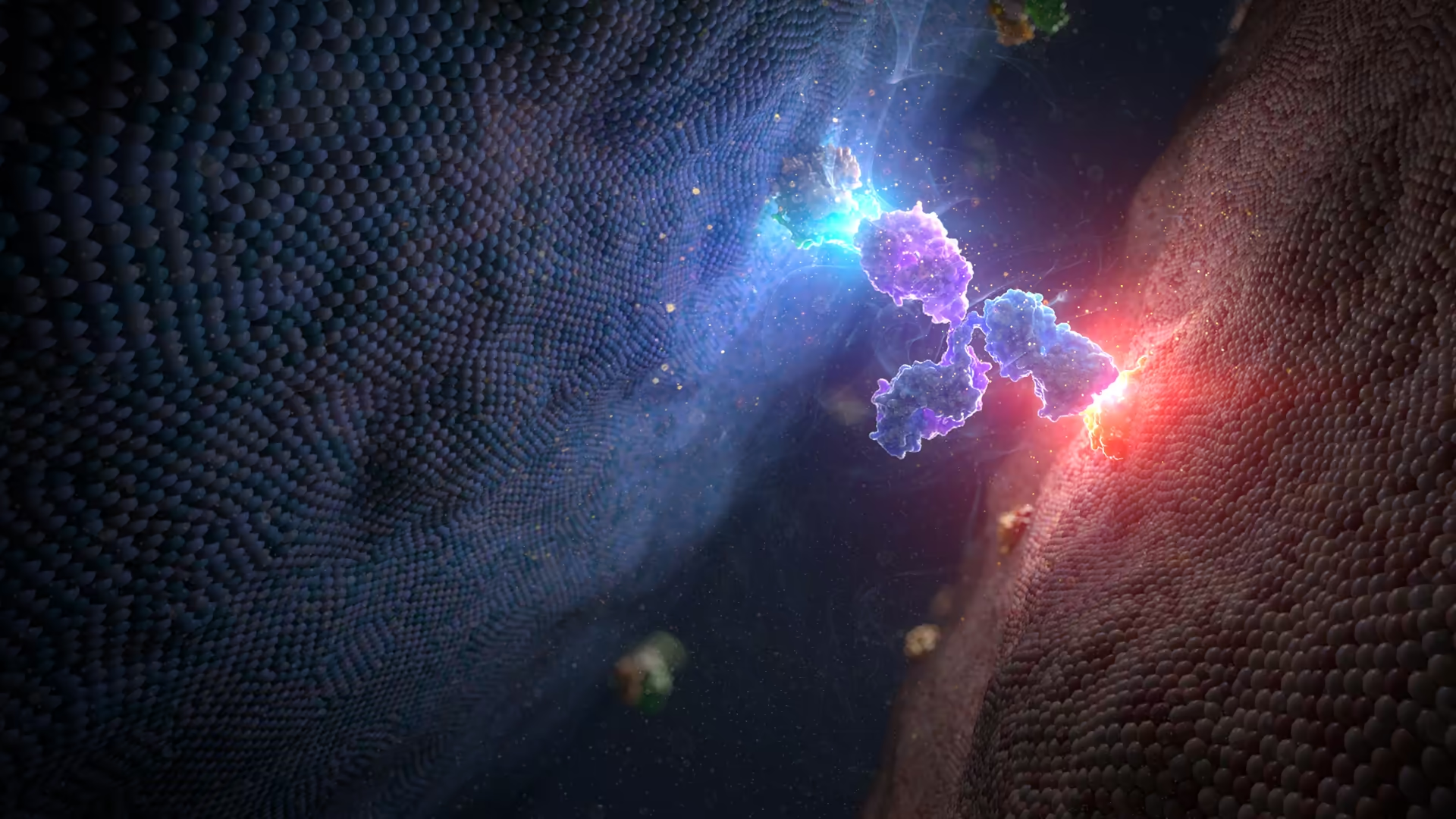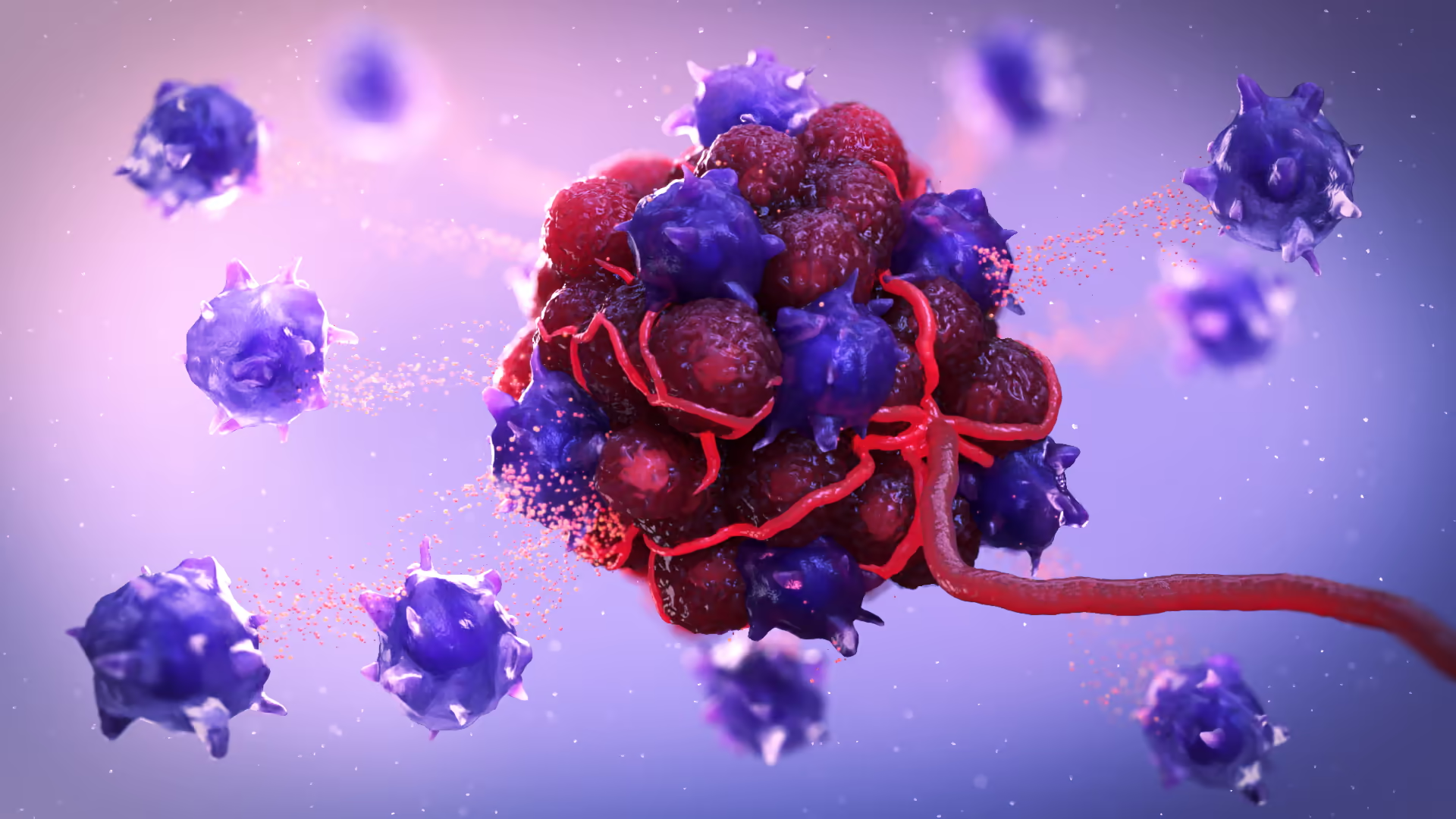
Oncology medical animations that blend precision science with eye catching visuals.
Oncology is complex.
With so many different overlapping pathways and cascades, combined with an ever evolving treatment landscape, visualising any given area in Oncology can be incredibly challenging.
A Key Message
With so many overlapping factors, how do you isolate a key message that can guide the narrative?
Cutting Through
Oncology is a crowded space, and your science needs to be the voice of clarity to actually get heard.
Every Cancer is Unique
With over 200 different diseases, settings, and treatments, there are no "off-the-shelf" visuals.
The Solution
Our approach to Oncology visualisation
As in a lot of our work, the aspects we leave out are just as crucial as the parts we include. The structure of the narrative has to include the right level of information for the audience. The visuals have to mirror the voice over to re-inforce the information. The video length has to be just right to build detail at the right pace to keep the viewer watching until the end.
Trends in visualising cancer therapies
Increasing use of checkpoint inhibitors or PD-1/PD-L1 inhibitors looks like it will continue, driven by their strong efficacy across a range of solid tumours and moving earlier in the treatment journey. Differentiation or stand out is going to become increasingly important with biosimilar competition for PD-1/PD-L1 inhibitors due to hit in 2028 and 2029. Multispecific antibodies and antibody drug conjugates (ADCs) are both growing areas. Making sure that the unique targets and composition of the antibody is immediately clear will be crucial. Similarly we’ve seen AI play an increasing role in biologics discovery and design. Again, how the proprietary technology is explained both to speed drug development and to bring benefits to patients will be vital.
Developing an Oncology asset?
Want to discuss a specific oncology animation challenge? We always like to discuss potential solutions to tricky challenges.
Check out our latest project case studies to see how others have benefited from our boutique style of medical animation.